I’ve been editing this post because my default voice as a blogger is to approach my writing with some levity and perspective—this is a little harder for more vulnerable moments. Bengaluru was transformative for my personal growth in many amazing ways, but some moments really just sucked. The crown jewel of sucky moments was a semi-emergency surgery to remove my gallbladder about three months into my stay.
A quick aside: I lived for years with a recurring sharp stomach pain, which I incorrectly assumed was a gluten intolerance or maybe PCOS. Within three months in India, I got a same-day diagnosis and scan showing that I had severe gallstones. If you have a recurring stomach pain so intense you can’t sleep, please push for medical review and don’t dismiss your symptoms!
I’d rather use the bulk of this post to reflect on the differing approaches to health in India and the United States than on the mechanics of my surgery/symptoms. First off, Bengaluru is an incredibly modern city with excellent medical facilities. Some of the world’s top doctors and surgeons, who have trained at leading institutions, work in Bengaluru and across India. The system consists of public and private hospitals and doctors’ offices. The public system, like other countries, is low- or no-cost but experiences longer wait times, and the quality of care can vary. The private system can be quite pricey, but as an American used to scheduling OBGYN appointments a year out, I was in awe of the speed and quality of care I received. Using this private system, I could get a same-day appointment with a specialist, and there were even lab testing services that would come to your house and take a blood sample. With my university’s travel insurance, basically everything I needed was covered, including the full cost of my surgery, which was a huge privilege that most don’t have in India or the US.
To actually schedule my surgery, in Bengaluru fashion, a trusted referral goes a long way. After connecting with my boss, whose neighbor happens to be a prolific GI surgeon, I got a same-day test at the hospital and scheduled my surgery for a few weeks ahead so my mom could fly to India. My mom, a real trooper and first-time visitor to India, got to see a jam-packed rush-hour Bengaluru metro and an Indian hospital in her first 24 hours in the country—outside of this experience, she says she had a great visit.
Getting surgery abroad definitely comes with a few quirks. In the moments when I wasn’t scared about the procedure and my symptoms, it was sort of fun to experience this with my mom. The first quirk in Bengaluru is that upon hospital admission, you receive a folder (pamphlet? packet? The exact name escapes me) in which you will put all your records. You will have to carry this folder with you and present it multiple times. I didn’t get one, and my partner kindly tracked it down for me. My surgery was at a fancy private hospital, and I suspect I was one of the very few international patients that week. Accordingly, I have never had so many medical staff check in on me in a hospital environment. There was my surgeon, his assistant, a dietitian, easily five nurses, and at least four administrative staff, whom Mom and I dubbed the “tan suit people” who would check that everything was done to code. The most honorable mention of all this goes to the nurse who, without any common language, successfully got a very reluctant me out of bed, and gave me a sponge bath before 6am for two consecutive days.
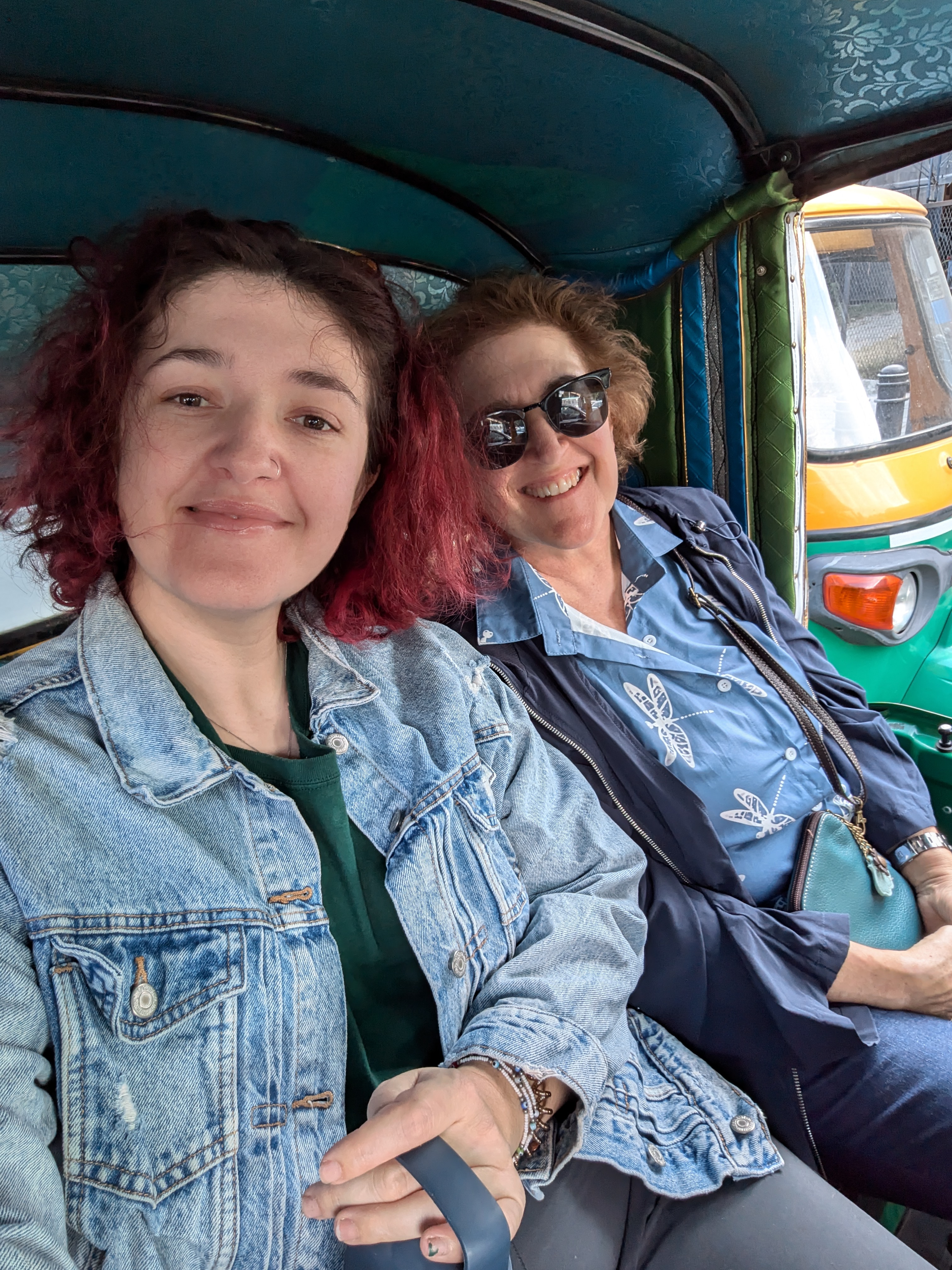
After a successful surgery but an unsuccessful (and unrelated) bout of food poisoning around a week later, I was a regular at said hospital and, upon discharge, had made it through a definitive low of my time in Bengaluru one gallbladder lighter. In addition to the speed and ease of scheduling that Bengaluru’s private system affords, complementing all of this is a far more rooted commitment to holistic health across the medical system. In India, doctors will often give you their phone numbers. This was a huge benefit, and you can literally text your doctor to discuss symptoms or clarify a prescription. Doctors were also more holistic in their approach to medicine, encouraging me to eat curd (yogurt) or avoid certain foods that may be triggering, in addition to any medication changes. I also felt like my friends, boss, and teachers were part of this system of care. Even acquaintances were genuinely invested in my diet, symptoms, and health after this surgery. I’m extra grateful to everyone who stayed with me/housed me both before and after the surgery as I was navigating this scary time. For example, between diagnosis and surgery, my boss’s 89-year-old mother-in-law became my de facto diet guide. Once again, without much shared language, we joked that she had kept her gallbladder for 89 years and was therefore best suited to tell me which foods were okay or not.
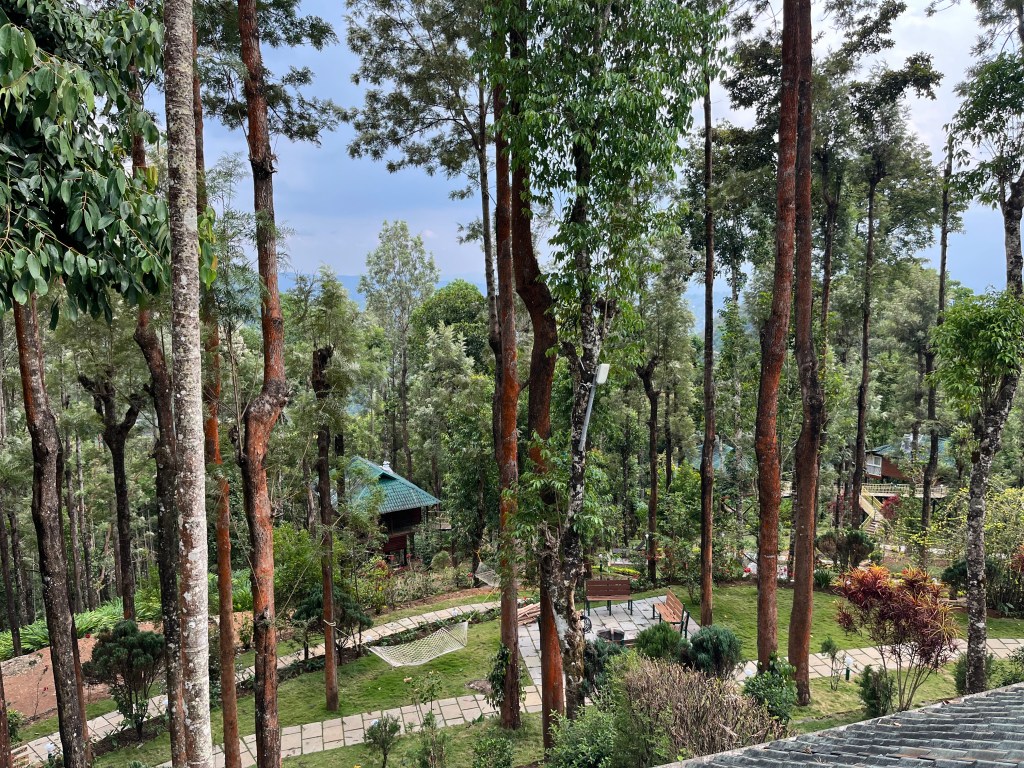
A great irony of this emergency was that it occurred a day before I was supposed to travel to Kerala, the home of ayurvedic medicine, for a healing ayurvedic retreat… mainly to learn about diet practices to help my stomach problems. Ayurveda is a holistic medicinal practice that’s been used for thousands of years. Ayurveda emphasizes creating harmony in the body by balancing your unique combination of doshas (life forces). This is done with herbs, diet, lifestyle modifications, and treatments performed by a trained Ayurveda doctor. Treatments range from massages and having oil dripped on your forehead to more intense supervised practices, such as eating spoonfuls of ghee and forced purgation. I didn’t know any of this when I signed up, but I had a week without a phone during the admittedly White Lotus-like ayurveda retreat to learn more. In March, I finally went to Kerala and had this experience. Unsurprisingly, a lot of my treatment was focused on de-stressing and calming my stomach after the surgery. De-stressing included a daily massage for the whole week. On the fifth day, I asked my doctor if my body was supposed to feel so loose all the time… apparently, it is. At this retreat, I read three books, meditated twice a day, ate tiny healthy meals, connected with retreat participants from all over the world, and felt mental clarity that I hadn’t felt in years. However, sustaining this feeling in the real world, with lots of stimuli, is something I’m still working on. I’m trying to adopt the benefits I felt from yoga and meditation at this retreat into my daily routine. I’m also (aggressively) on top of my doctor’s visits after a multi-year missed gallbladder diagnosis. All this to say, as a blogger that self-identifies as a Type A overthinker, this surgery was an inflection point on the need to rest and listen to my body, which isn’t something that comes naturally. The silent meditation retreat I attended in this process of self-reflection and rest is a story for another blog. Until then, sending hugs and healthy stomach vibes ❤



Leave a comment