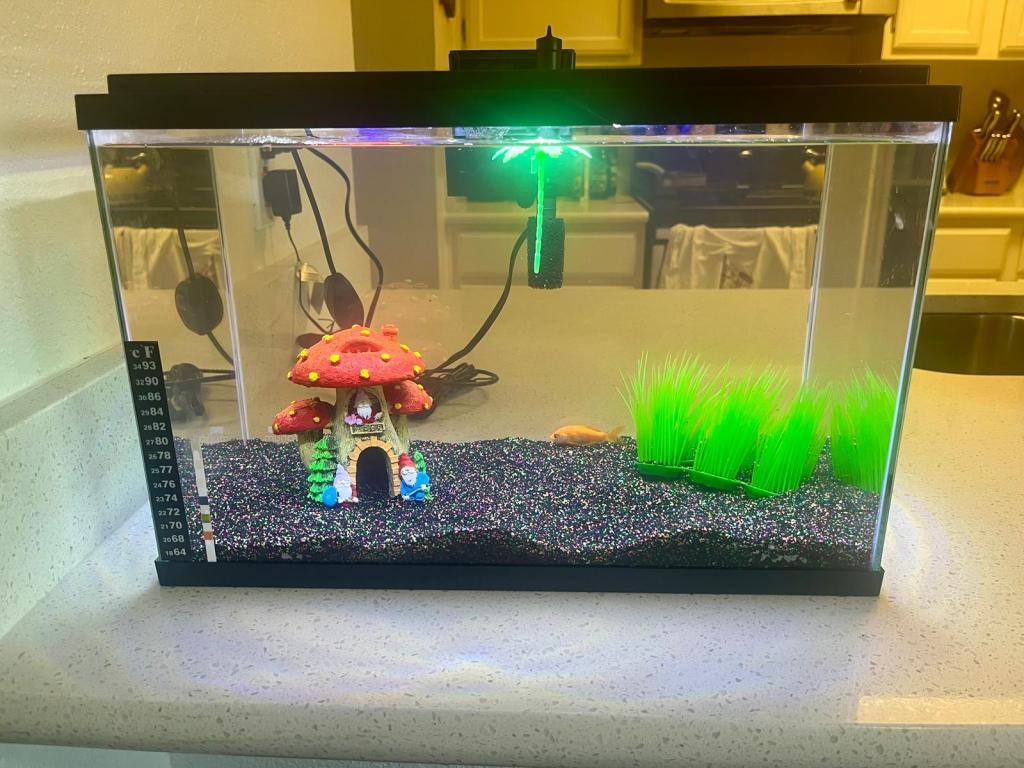
After unexpectedly winning a goldfish last weekend at the Austin Rodeo, I was thrust back into the world of water treatment and monitoring (albeit at a very small scale). Incessant Google searches about tank health and fish behavior made me reflect on something simple: how much assurance water quality testing provides, even for a single fish. This same sense of assurance becomes even more critical at larger scales, in places like India, with known water pollution challenges, taking me back to my 2024-2025 work with Paani Earth Foundation. Paani is a citizen-science non-profit in Bengaluru, India, that works to restore the city’s rivers and empower citizens with access to timely data, including water quality monitoring information.
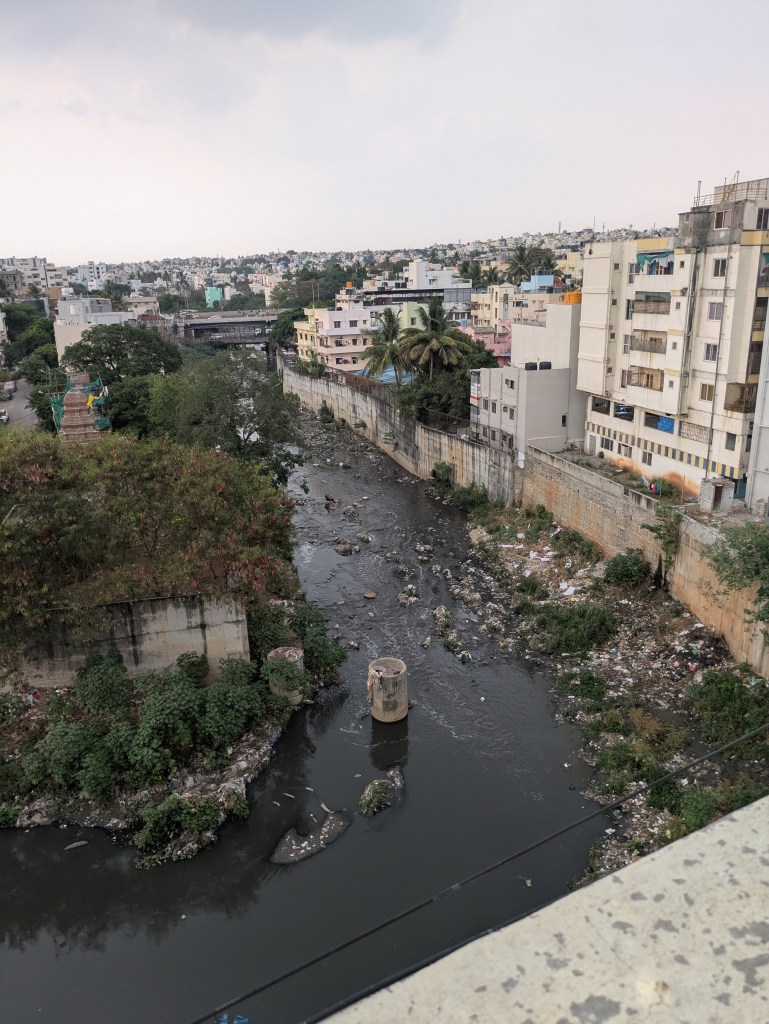
One of the first lessons to understand Paani’s work was the regulatory landscape for water quality in India. Indian cities suffer from nearly every form of water pollution (industrial, agricultural, and sewage), exacerbated by rapid urbanization and a fragmented regulatory landscape. While there is a deeper history of how local water systems were weakened with colonization that merits its own blog, the reality of the situation where Paani works is that some rivers flow black with sewage. Heavy metals and toxins are present in alarming levels even in relatively “pristine” sections of Bengaluru’s rivers. This pollution harms public and environmental health, reduces potable water supply, limits access to rivers as commons or public spaces, and, I’d argue, decreases the connection between Bengaluru residents and their local environments. With such a persistent challenge, the question then becomes, how does regulation address pollution?
India has standards for water quality and treatment, but they are far less comprehensive than comparable regulations/guidance in the so-called “Global North,” such as in the United States or Europe. In a leaked 1991 World Bank memo, Lawrence Summers (either genuinely or sarcastically, depending on who you ask) stated that the “economic logic behind dumping a load of toxic waste in the lowest wage country is impeccable.” In the context of this quote, concentrating polluting industries in India can be viewed as a form of environmental injustice, where countries like the United States receive cheaper products and the burden of pollution is located elsewhere. Moreover, as global economies shift, even Bengaluru’s largest industrial areas are struggling to maintain sound infrastructure. While regulation can’t solve the full picture, consistently testing for harmful pollutants and ensuring a mechanism is in place that holds polluting sectors accountable is absolutely necessary.
How is water quality tested in India’s Rivers?
Given Paani’s focus on rivers, I gained the most familiarity with the Indian Central Pollution Control Board’s (CPCB) Water Quality Criteria, which provides a designated best use for water bodies. Other monitoring frameworks are in place for known sources of pollution discharges (also known as point sources, such as sewage treatment plants), but freshwater monitoring can provide a holistic understanding of ecosystem health.
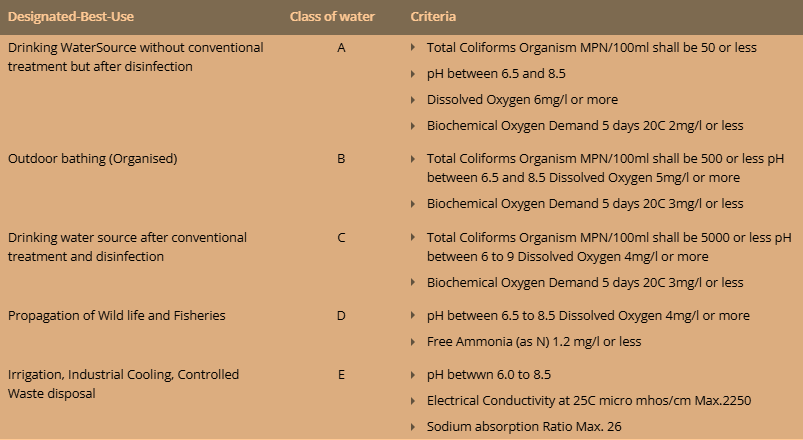
In simple terms, the CPCB defines the best use for a water body based on the quality of the water. Meaning, generally, water suitable for swimming will have a higher quality than water suitable for industrial use. The CPCB measures criteria across seven different physicochemical parameters (Total Coliforms, pH, Dissolved Oxygen, Biochemical Oxygen Demand (BOD), Free Ammonia, Electrical Conductivity, and Sodium Absorption Ratio). The criteria are evaluated separately for each best-use, meaning a water body may meet the Free Ammonia criteria outlined in Class D (Propagation of Wild life and Fisheries) but fail to meet Class E (Irrigation, Industrial Cooling, Controlled Waste Disposal) if SAR is too high.
In the wide world of harmful things that can end up in water, a list of seven is strikingly short. Paani studies found alarming rates of pesticides such as DDT (banned globally by the Stockholm Convention on Persistent Organic Pollutants) and Hexavalent Chromium (made infamous in the film, Erin Brockovich) in the Arkavathi and Vrishabhavathi Rivers. However, these pollutants are not considered in the Water Quality Criteria. For comparison, I’m monitoring my fish’s tank for 7 parameters (Nitrate, Nitrite, Chlorine, Hardness, Total Alkalinity, pH, and Temperature) as opposed to just 2 parameters required for Class D water. Even with a fairly small set of criteria, most water bodies in Bengaluru fare poorly in terms of best use. The average lake in Bengaluru meets Class D or E, and rivers perform similarly.
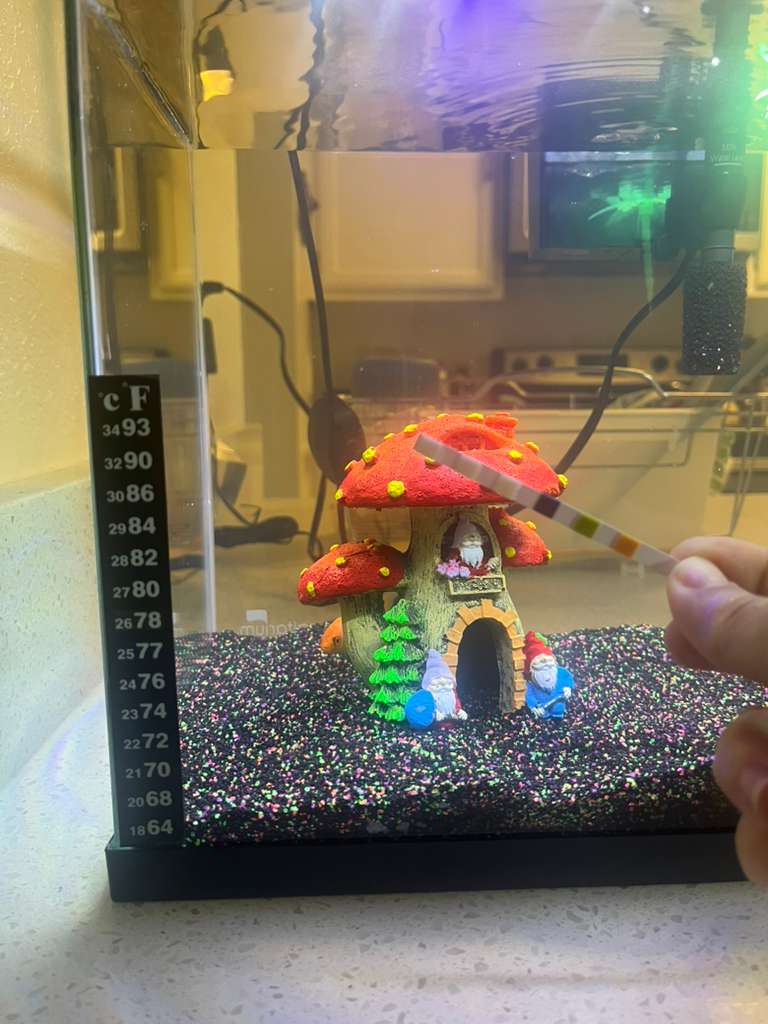
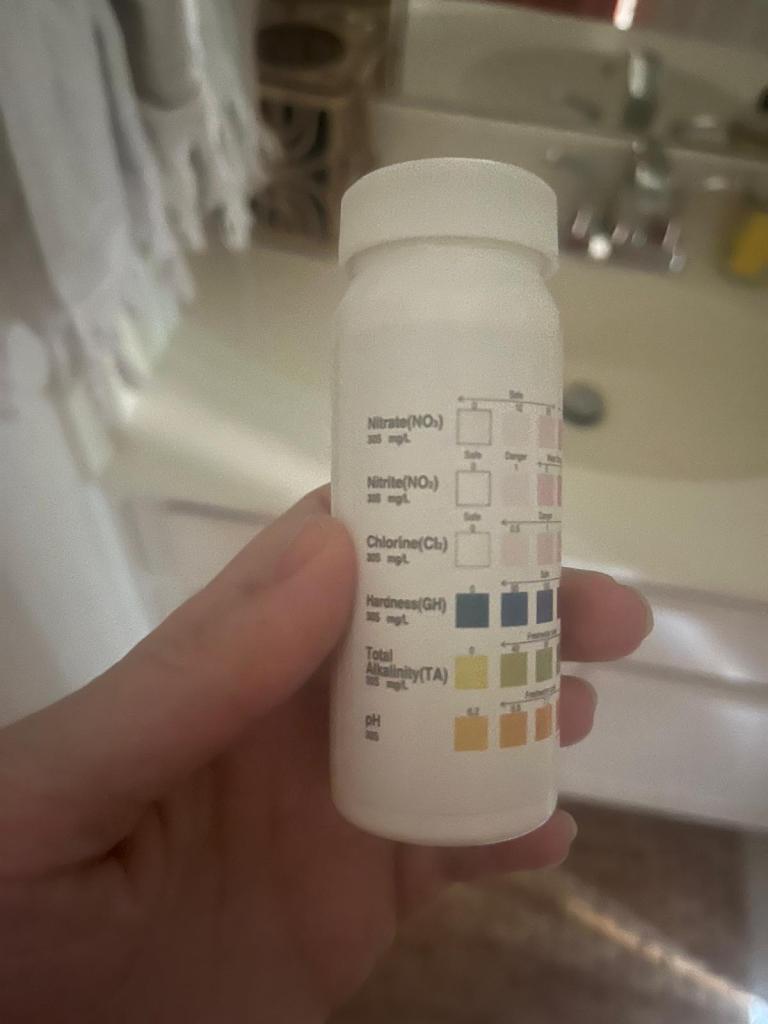
My test kit was around $10, and on my next trip to the pet store, I may look for an ammonia test strip to see if I meet the criteria for propagation of fisheries—incidentally, online fish forums cite ammonia spikes as a top cause of sudden fish deaths in tanks.
Meeting these criteria does not ensure that a water body is free of harmful pollutants nor that variations in pollution levels are considered. Under the National Water Monitoring Programme, Water Quality Criteria are generally monitored and published on a monthly basis for water bodies across the country. Additional chemicals and parameters are monitored by other federal, state, and local agencies, such as the Central Water Commission (CWC). This monitoring, while less frequent, provides a more comprehensive picture of water quality than the National Water Monitoring Programme. The definition of “routine testing” also varies by jurisdiction. This lack of regular testing poses a concern because levels of an individual pollutant can vary greatly throughout a month, e.g., after a major pollution discharge event. As a novice fish owner, I’m aiming to monitor my fish tank’s quality every time I switch out the water to avoid unexpected spikes for exactly this reason. While it is easy to demand greater monitoring frequency, the United States also has a long way to go in terms of providing real-time data across all major parameters in our National Water Information System.
The Path Forward
In an ideal scenario, national water bodies would receive significantly more frequent and comprehensive parameter testing than what I perform as a home fish owner. The challenges to this path include differing opinions on the need for stringent water criteria and implementation hurdles due to financing shortfalls, program scale, corruption, and other factors. As a planner, I don’t think privatized water monitoring is the answer to these challenges. However, I do believe in strong government investments in monitoring systems. There are many private sector companies that provide technology for real-time and frequent monitoring of water quality. This sensor technology, as well as other tools within the Internet of Things, can help reduce the burden on government officials to perform monitoring activities. In addition to leveraging such technology, there is room to consider other innovative, budget-friendly ways to test water quality, such as citizen science, university partnerships, and biomonitoring. In the United States, some of our flood gauges are managed by universities. This serves as a learning tool for students and ensures local presence and support for the sensor network. These initiatives, in addition to being a relatively inexpensive and scalable form of testing, can help restore the connection with local water bodies that has been reduced over time.
Testing frequency is only part of the challenge ahead. As the Karnataka government works to revitalize the Arkavathi River as Bengaluru continues to grow, and other efforts like the Ministry of Jal Shakti coordinate river rejuvenation at a national scale, I hope that national Water Quality Criteria are strengthened and the monitoring network is expanded to support these efforts. Characterizing the types of harmful pollution entering a specific water body is critical to inform both treatment and restoration practices. With forever chemicals and emerging pollutants of concern, these programs cannot remain static. While a fishbowl isn’t a perfect comparison to the much more complex testing required to understand a large urban water body, both of our monitoring programs should adapt and scale to meet emerging needs and support our wildlife populations (even if it is just one fish).

Leave a Reply